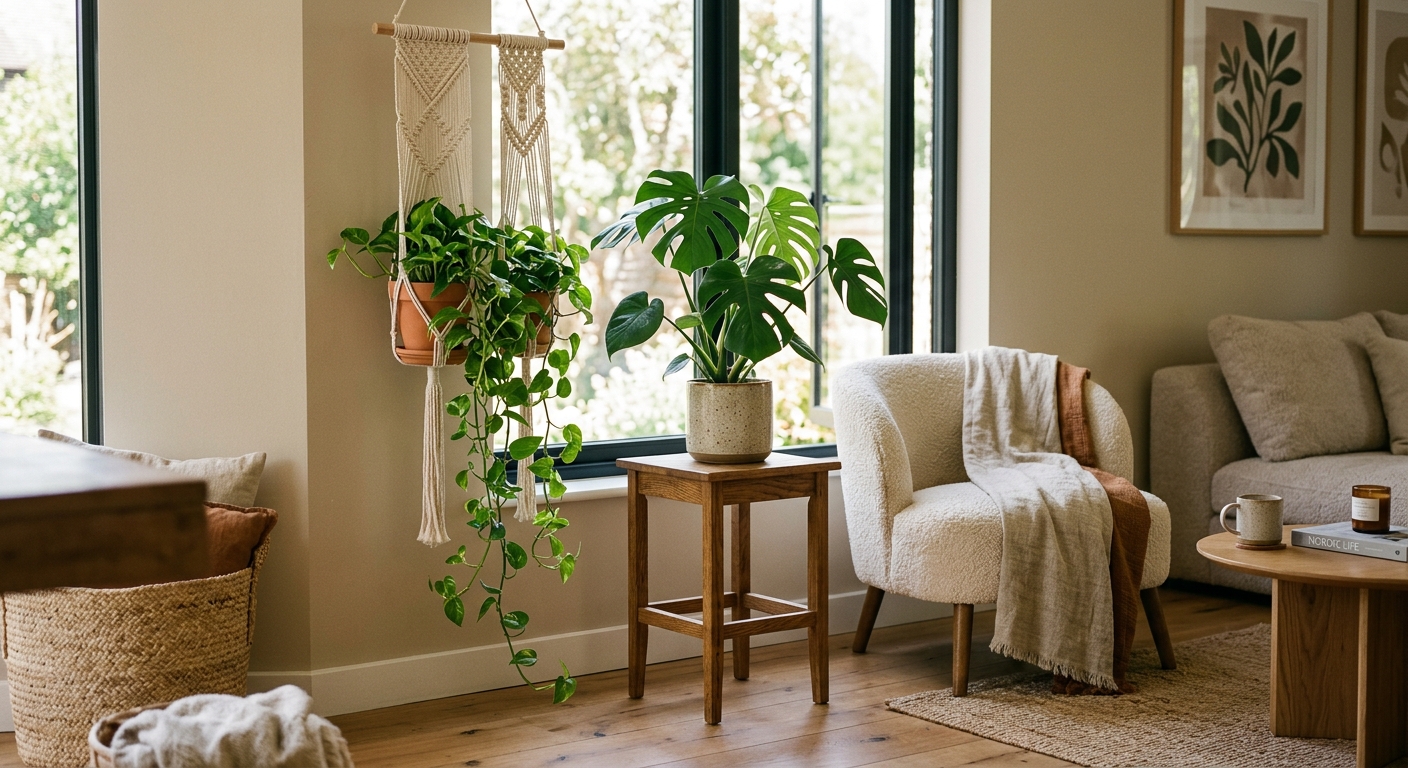
What Materials Are Plant Stands Made From?
Plant stands are primarily made from wood, metal, ceramic, and plastic, with wood and metal accounting for 60% of global sales, according to horticultural industry data. Each material requires specific maintenance to prevent damage and extend lifespan.
Wood plant stands offer natural aesthetics but are prone to rot and warping if not sealed properly. Metal stands, especially those used outdoors, risk rust without protective coatings. Ceramic stands are durable but can crack in freezing temperatures, while plastic stands are lightweight but degrade under UV exposure.
For wood, use sealants rated for outdoor use if exposed to the elements. Metal stands benefit from powder coating or galvanization to prevent rust. Ceramic stands should be wiped with a damp cloth to avoid scratches, and plastic stands require UV-resistant sprays for outdoor use.
Learn more about plant stand materials.
How Do You Clean a Wooden Plant Stand Without Damaging It?
Clean wooden plant stands with a mild soap solution and a soft cloth, avoiding abrasive scrubbers that can scratch the surface. Unsealed wood absorbs 12% more water than sealed wood, so drying immediately is crucial to prevent warping.
Start by removing dirt with a dry cloth. Mix a teaspoon of mild soap in warm water, dampen the cloth, and gently wipe the surface. Avoid soaking the wood. For stubborn stains, use a diluted vinegar solution (1:4 vinegar to water). Dry thoroughly with a clean cloth and apply a wood sealant if needed.
Never use bleach or ammonia-based cleaners, as they strip natural oils from the wood. For outdoor wooden stands, reseal every 6-8 months to maintain protection against moisture.
Can You Prevent Rust on Metal Plant Stands?
Yes, rust on metal plant stands can be prevented with proper coatings and regular maintenance. Powder-coated stands last twice as long as uncoated ones, according to metallurgical studies.
Start by cleaning the stand with a damp cloth to remove dirt and debris. Apply a rust-inhibiting spray, such as WD-40 Specialist Long-Term Corrosion Inhibitor, to exposed metal areas. For outdoor stands, inspect monthly for scratches or chips in the coating, which can expose the metal to moisture.
If rust appears, remove it with a wire brush or sandpaper, then apply a rust converter and repaint with a weather-resistant enamel. Avoid placing metal stands directly on wet surfaces, and use rubber pads under the legs to prevent water pooling.
Explore outdoor metal plant stands.
Why Does Proper Drainage Matter for Plant Stand Longevity?
Proper drainage prevents water damage, which reduces wood lifespan by 40% and causes metal to rust faster, according to horticultural experts. Always use saucers or trays under plant pots to catch excess water.
For outdoor stands, ensure drainage holes are clear to prevent water pooling. Elevate pots slightly using pot feet or risers to improve airflow and reduce moisture buildup. Avoid overwatering plants, as excess water can seep into the stand’s material.
For multi-tier stands, check that water doesn’t drip from upper tiers to lower ones. Regularly inspect saucers for cracks or leaks, and replace them promptly to avoid water damage.
When Should You Refinish or Reseal a Plant Stand?
Refinish or reseal plant stands every 8 months for outdoor use and every 12 months for indoor use, according to woodworking guidelines. Signs include fading, cracking, or water absorption.
For wood, sand lightly to remove old finish, apply a wood stain if desired, and seal with a weatherproof varnish. Metal stands should be cleaned, sanded to remove rust, and repainted with rust-resistant enamel. Ceramic stands can be polished with a ceramic-safe cleaner to restore shine.
Avoid delaying refinishing, as untreated wear can lead to irreversible damage. For multi-tier stands, focus on high-traffic areas like the base and top tier, which experience the most stress.
Are There Special Care Rules for Multi-Tier Plant Stands?
Yes, multi-tier plant stands require attention to weight distribution and stability. Top tiers hold 50% less weight than the base, so place lighter plants higher up.
Regularly check for wobbling by tightening screws and bolts. Use a level to ensure all tiers are aligned, as uneven weight distribution can strain the structure. Clean each tier individually, paying attention to corners where dirt accumulates.
For outdoor multi-tier stands, inspect for rust or rot more frequently, as exposure increases wear. Rotate plants periodically to prevent uneven stress on the stand.
Browse multi-tier plant stands.
What’s the Bottom Line on Plant Stand Maintenance?
Regular plant stand maintenance extends lifespan by 3-5 years and keeps your greenery elevated safely. Here’s what matters most:
• Clean stands monthly with material-appropriate methods.
• Reseal wood and coat metal annually for outdoor use.
• Always use saucers to prevent water damage.
• Check stability every 3 months for multi-tier stands.