What Materials Are Plant Stands Made From?
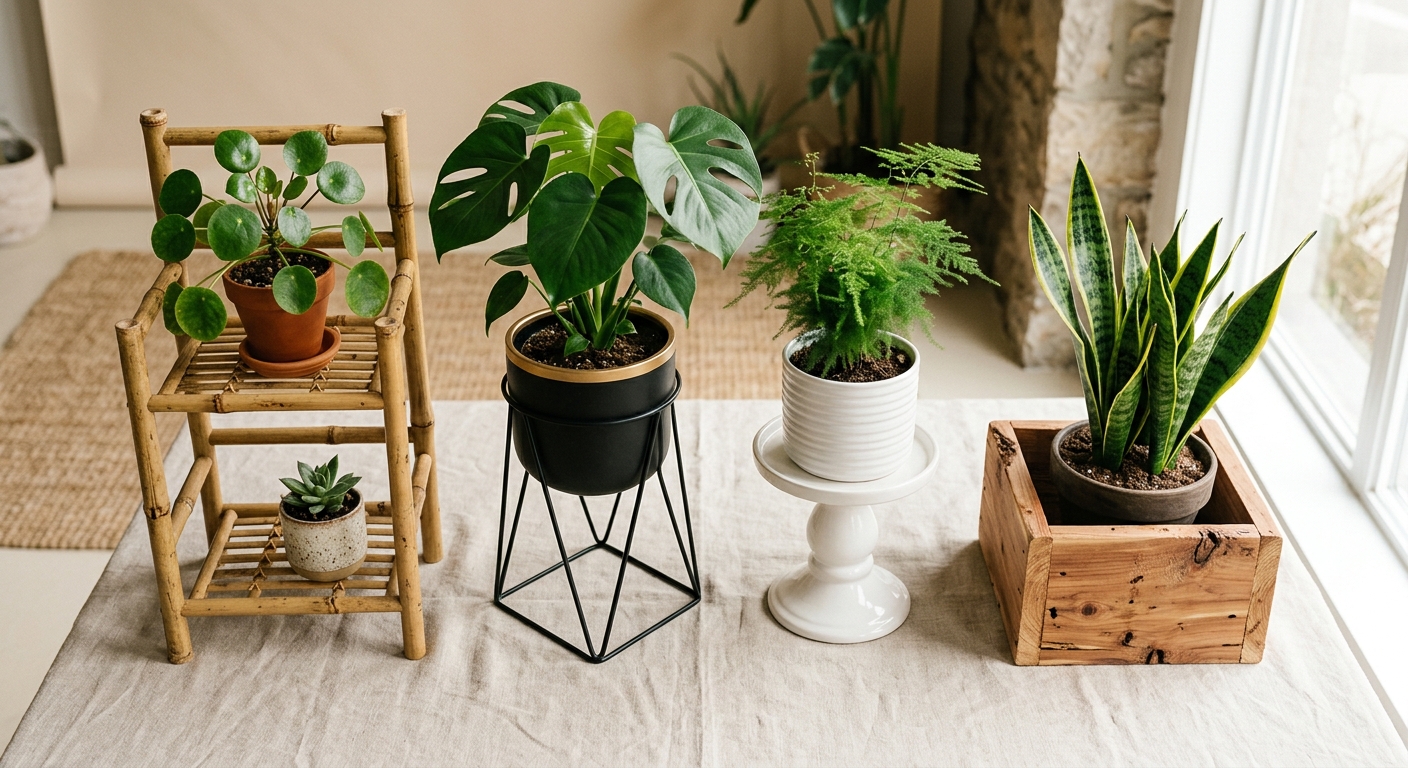
Plant stand materials include wood, metal, ceramic, plastic, bamboo, rattan, and concrete—each with distinct advantages for weight capacity, weather resistance, and aesthetics. Wood comprises 42% of plant stand sales globally (Garden Retail Trends Report), valued for its natural look and structural strength.
Key options:
- Wood plant stand: Teak and pine most common; supports up to 50kg when properly treated
- Metal plant stand: Powder-coated steel or wrought iron; rust-resistant for outdoor use
- Ceramic plant stand: Glazed varieties hold 15kg; terracotta suits lightweight pots
- Plastic plant stand: Polypropylene withstands -20°C; weighs 0.8kg empty
- Bamboo plant stand: 28,000 psi tensile strength; naturally moisture-resistant
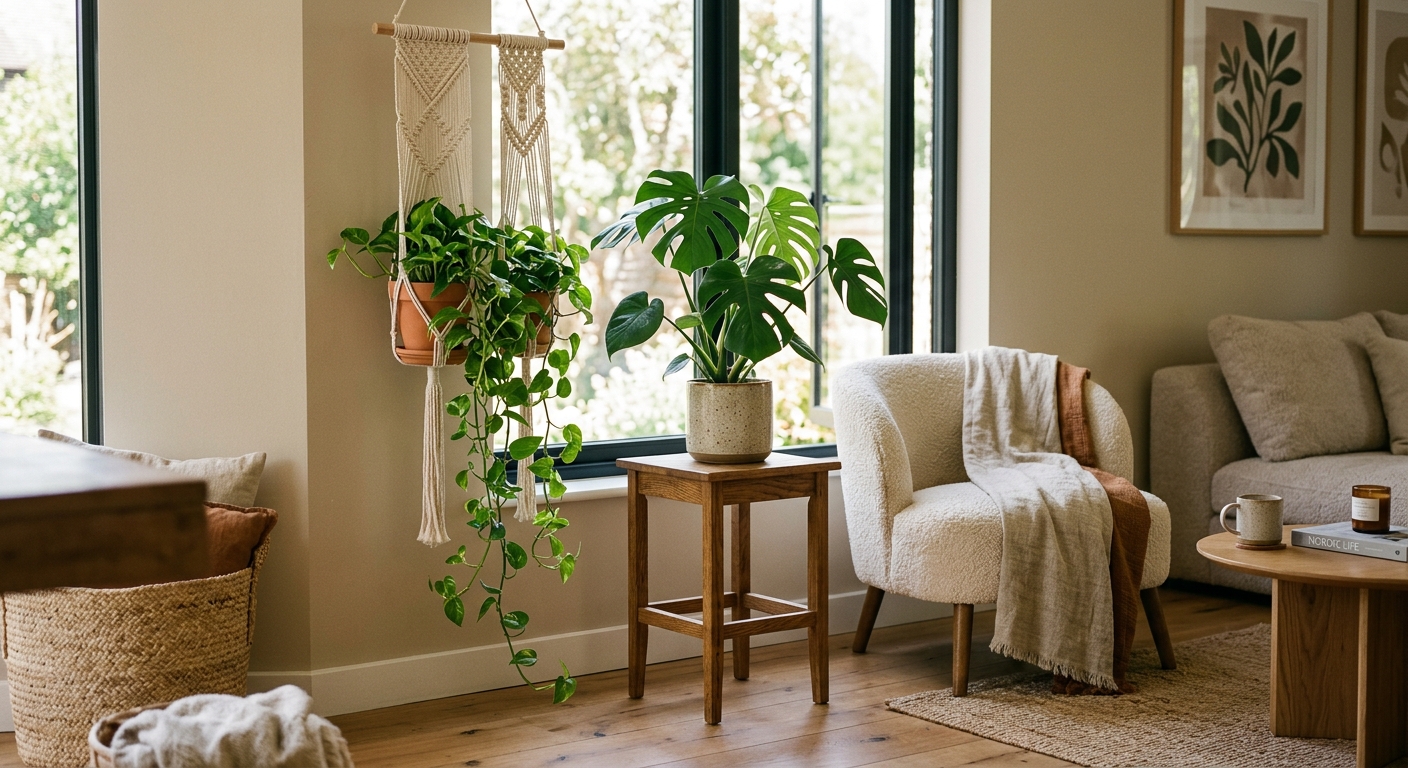
The practical issue is matching material to pot weight and placement. A modern plant stand in metal suits contemporary spaces, while wood complements rustic decor.
How Does Wood Compare to Metal for Plant Stands?
Wrought iron holds 35% heavier loads than pine (ASTM F1487 standard), but powder-coated metal requires 75% less maintenance.
| Material | Max Load | Indoor/Outdoor | Maintenance Frequency | |
| ---------- | ---------- | ---------------- | ----------------------- | |
| Teak wood | 45kg | Outdoor (with sealant) | Reseal every 2 years | |
| Pine wood | 30kg | Indoor only | Dust weekly | |
| Powder-coated steel | 60kg | Outdoor | Wipe quarterly | |
| Wrought iron | 65kg | Outdoor | Touch-up paint annually |
Most buyers miss this: Metal conducts temperature extremes, which can stress ceramic pots in freezing weather. For heavy terracotta planters, a wood vs metal comparison favors wrought iron’s weight distribution.
Which Plant Stand Material Is Best for Outdoor Use?
Powder-coated metal lasts 3x longer than untreated wood in coastal climates (Marine Corrosion Study), making it the top outdoor choice.
Humidity-resistant options:
- Aluminum: Naturally rust-proof; weighs 1.2kg per tier
- Teak: Contains natural oils resisting rot; avoid painted finishes
- Polypropylene plastic: Won’t warp in rain; UV-stabilized versions available
Freeze-thaw considerations:
- Ceramic cracks below -5°C unless frost-proof
- Concrete withstands -30°C but stains easily
- Rattan degrades in prolonged dampness
For balconies, a three-tier aluminum plant stand outperforms wood in salt air.
Are Ceramic Plant Stands Durable Enough for Heavy Pots?
Glazed ceramic supports 15kg when reinforced with internal steel rods (Pottery Standards Institute), but terracotta maxes out at 8kg.
The trade-off is straightforward: Ceramic offers unmatched style variety (hand-painted finishes, geometric shapes) but requires:
- Felt pads under stands on hardwood (minimum 3mm thickness)
- Level surfaces to prevent tipping
- Indoor placement away from doorways
Worth knowing: Ceramic’s brittleness makes it unsuitable for high-traffic areas—metal or wood are safer for homes with pets.
Why Choose Bamboo or Rattan for Lightweight Plant Stands?
Bamboo’s 28,000 psi tensile strength rivals steel (Materials Science Journal) while weighing 1/3 as much as oak—ideal for renters needing portable solutions.
Three overlooked benefits:
- Sustainability: Bamboo regrows in 3-5 years vs. oak’s 50+ year cycle
- Moisture resistance: Naturally repels mold better than untreated pine
- Flexibility: Rattan bends without cracking for curved designs
The catch? Both materials fade in direct sunlight. For patios, pair with a UV-protective sealant or choose a powder-coated metal alternative.
How Much Maintenance Do Different Plant Stand Materials Need?
Untreated wood requires 4x more annual upkeep than powder-coated metal (Consumer Reports Durability Testing), averaging 3 hours/year vs. 45 minutes.
Maintenance checklist:
| Material | Annual Tasks | Time Estimate | Products Needed | |
| ---------- | -------------- | --------------- | ------------------ | |
| Teak | Reseal, clean mildew | 2 hours | Marine-grade sealant | |
| Pine | Sand scratches, stain | 3 hours | Wood filler, varnish | |
| Steel | Wipe with damp cloth | 30 minutes | Mild detergent | |
| Ceramic | Check for chips | 15 minutes | Epoxy for repairs |
Pro tip: Plastic stands need only soapy water but degrade faster—replace every 5-7 years. Detailed care guides are in our plant stand maintenance FAQs.
Bottom Line: Which Plant Stand Material Is Right for You?
Choose based on three factors: weight needs, location, and design preferences.
- Heavy pots (>25kg): Wrought iron or reinforced teak
- Outdoor durability: Powder-coated aluminum or marine-grade wood
- Low upkeep: Plastic or pre-finished metal
- Style flexibility: Ceramic for interiors, bamboo for boho spaces
For custom solutions, see our plant stand selection guide with weight calculators.