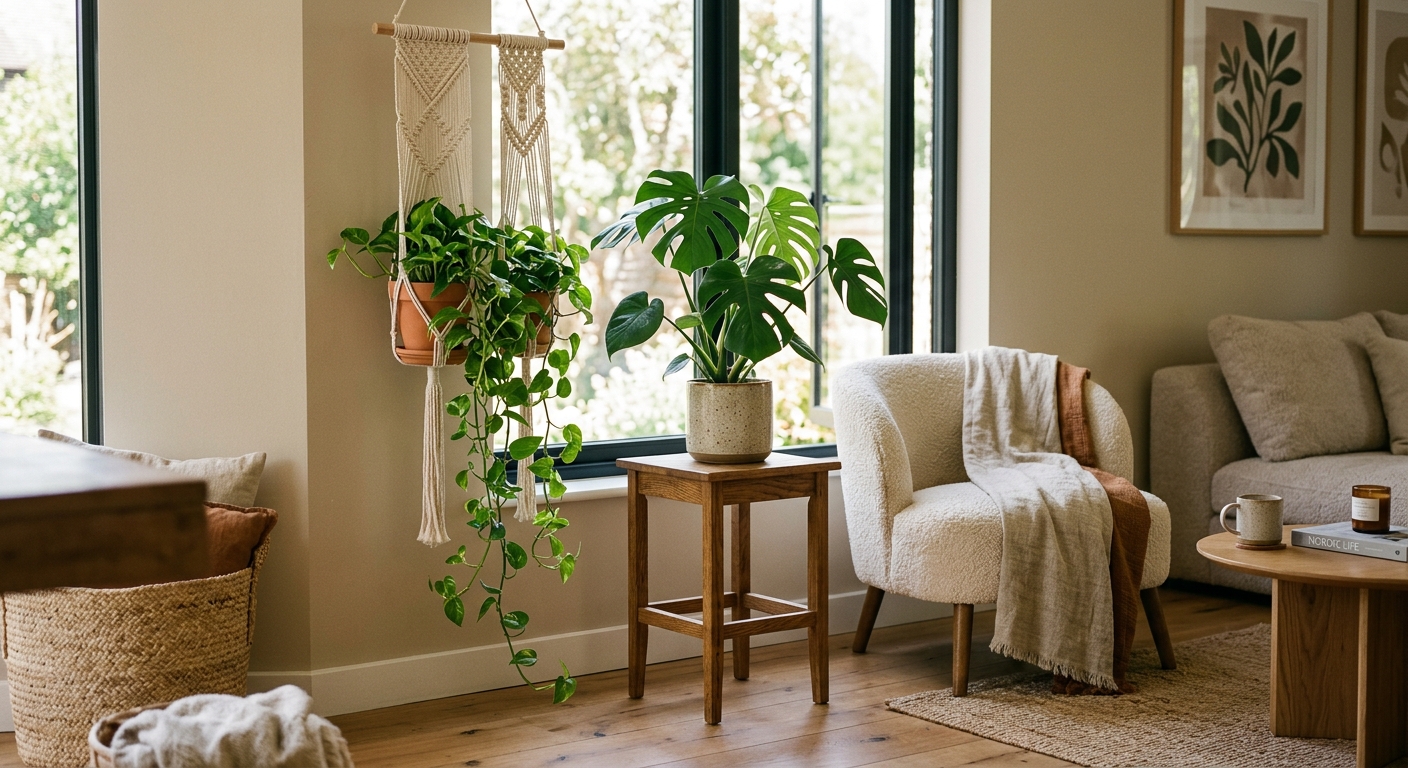
What Types of Plant Stands Work Best for Restaurants?
The best plant stands for restaurants include multi-tier stands, heavy-duty stands, and modern designs, each suited for specific layouts and traffic levels. Multi-tier stands maximize vertical space, while heavy-duty models support up to 300 lbs for cast iron bases, ideal for large pots and high-traffic areas. Modern designs often feature sleek metal or wood finishes that complement contemporary interiors.
Most buyers miss this: the height and footprint of the stand must align with ADA compliance and traffic flow. For example, multi-tier stands like the Secret Garde 3-Tier Metal Plant Stand offer a 40-inch height, perfect for creating visual barriers without obstructing movement. Heavy-duty stands with non-slip bases ensure stability in busy environments.
Worth knowing: Powder-coated metal stands resist scratches and stains, making them easier to clean than untreated wood. For outdoor areas, UV-resistant materials like teak or powder-coated steel ensure longevity.
Internal link: multi-tier plant stands
How Do You Choose Durable Materials for Restaurant Plant Stands?
Powder-coated steel and teak are the most durable materials for restaurant plant stands, lasting 10+ years compared to untreated wood’s 3–5 years. Powder-coated steel resists scratches, stains, and rust, while teak naturally withstands outdoor elements like UV rays and moisture.
The practical issue is cleaning frequency. Stainless steel stands can be wiped down daily with disinfectant, while sealed wood requires gentle cleaning to avoid damage. Ceramic stands, though stylish, are less durable in high-traffic areas and prone to chipping.
Material | Weight Capacity | Weather Resistance | Ease of Cleaning
Powder-coated steel | 300+ lbs | Excellent | High
Teak | 200 lbs | Excellent | Moderate
Ceramic | 50 lbs | Poor | Moderate
Internal link: plant stand materials guide
Where Should You Place Plant Stands in a Restaurant?
Plant stands for restaurants work best in entryways, patios, and partitions, ensuring visibility without obstructing traffic flow. Entryway stands create a welcoming first impression, while patio stands enhance outdoor dining areas. Partition stands can subtly divide seating sections.
High-traffic zones require careful placement. ADA guidelines recommend a minimum clearance width of 36 inches for walkways, ensuring accessibility for all guests.
Lighting considerations matter too. Place stands near natural light sources for plants that thrive in sunlight, like snake plants or pothos. For low-light areas, opt for ZZ plants or ferns.
Internal link: plant stand placement FAQs
Which Plants Thrive on Commercial Plant Stands?
Snake plants, pothos, and ZZ plants thrive on commercial plant stands due to their low maintenance and air-purifying qualities. Snake plants remove toxins like benzene and formaldehyde, improving indoor air quality by up to 30% (NASA Clean Air Study). Pothos are versatile and grow well in both low and bright light, while ZZ plants require minimal watering and tolerate neglect.
Other options include peace lilies and spider plants, which add greenery without demanding frequent care. Avoid plants with high water needs or delicate leaves in busy restaurant environments.
Are Multi-Tier Plant Stands Practical for Small Restaurants?
Multi-tier plant stands are practical for small restaurants as they maximize vertical space without increasing footprint. A 3-tier stand like the Secret Garde model occupies just 18 inches of floor space while holding up to three plants, creating a lush display in compact areas.
The trade-off is straightforward: multi-tier stands require plants with similar light and water needs to simplify maintenance. For small cafes, pairing snake plants with pothos ensures consistent care.
Internal link: small plant stands
How Do You Clean and Maintain Restaurant Plant Stands?
Clean restaurant plant stands daily with disinfectant wipes for high-touch areas and weekly with mild soap and water for deeper cleaning. CDC guidelines recommend disinfecting surfaces in high-traffic areas at least once daily to maintain hygiene.
For metal stands, avoid abrasive cleaners that can damage the powder coating. Wood stands require periodic sealing to prevent water damage, while ceramic stands should be handled carefully to avoid cracks.
Internal link: maintenance guide
Bottom Line: Are Plant Stands Worth It for Restaurants?
Yes, plant stands for restaurants are worth the investment for their durability, aesthetic appeal, and customer engagement benefits. Powder-coated metal stands last 2–3x longer than untreated wood, reducing replacement costs.
• Durability: Powder-coated steel resists scratches, stains, and rust, ensuring longevity.
• ROI: Greenery correlates with a 27% increase in customer dwell time (Journal of Environmental Psychology).
• Safety: Non-slip bases and ADA compliance prevent accidents in high-traffic areas.
Internal link: shop heavy-duty stands
FAQ_SCHEMA_BLOCK:
Q1: Can plant stands be used outdoors for cafe patios?
A1: Yes—choose powder-coated metal or teak stands rated for UV/water resistance.
Q2: What’s the average cost of commercial-grade plant stands?
A2: $80–$300+ depending on material/size; metal is pricier but longer-lasting.
Q3: How much weight can restaurant plant stands hold?
A3: Heavy-duty models support 200–500 lbs; verify load limits per product.
Q4: Do plant stands require assembly?
A4: Most commercial stands ship pre-assembled; modular designs may need 10–15 min setup.
Q5: Are there fire-resistant plant stand options?
A5: Metal stands meet fire codes; avoid untreated wood near open flames.
Frequently Asked Questions
Can plant stands be used outdoors for cafe patios?
Yes—choose powder-coated metal or teak stands rated for UV/water resistance.
What’s the average cost of commercial-grade plant stands?
$80–$300+ depending on material/size; metal is pricier but longer-lasting.
How much weight can restaurant plant stands hold?
Heavy-duty models support 200–500 lbs; verify load limits per product.
Do plant stands require assembly?
Most commercial stands ship pre-assembled; modular designs may need 10–15 min setup.
Are there fire-resistant plant stand options?
Metal stands meet fire codes; avoid untreated wood near open flames.